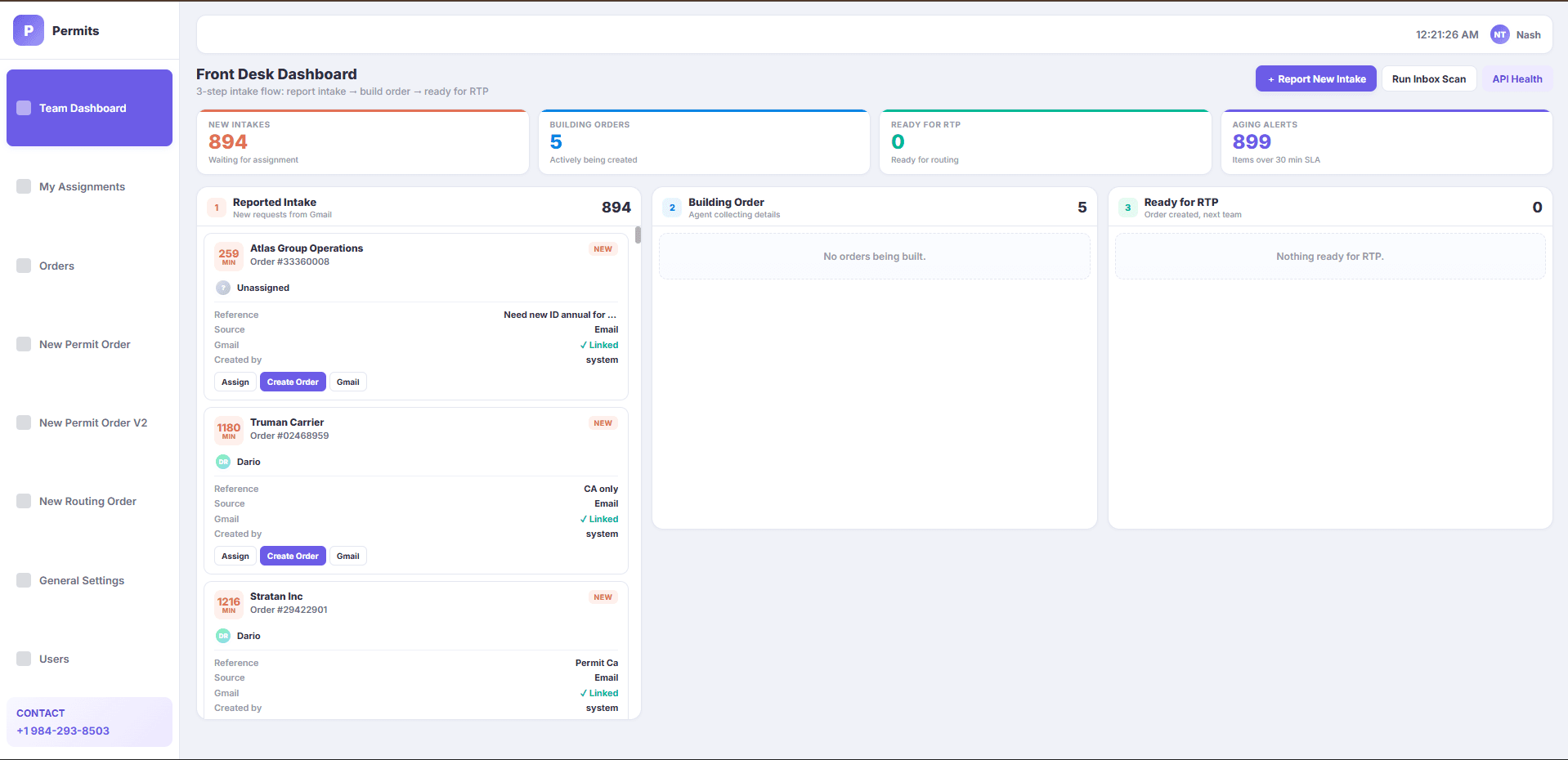
Heavy-haul transportation looks simple from the outside: move an oversized load from point A to point B. Inside the operation, it is a living web of constraints. A single shipment can involve customer instructions, commodity dimensions, truck and trailer credentials, permit documents, escort requirements, route restrictions, payment status, state-by-state rules, weather windows, holiday movement limits, and years of institutional memory about what actually happens on the road.
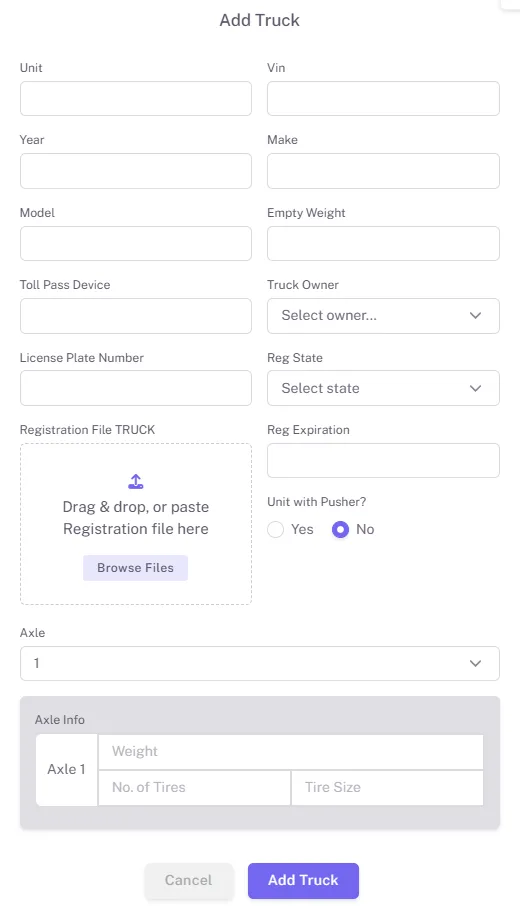
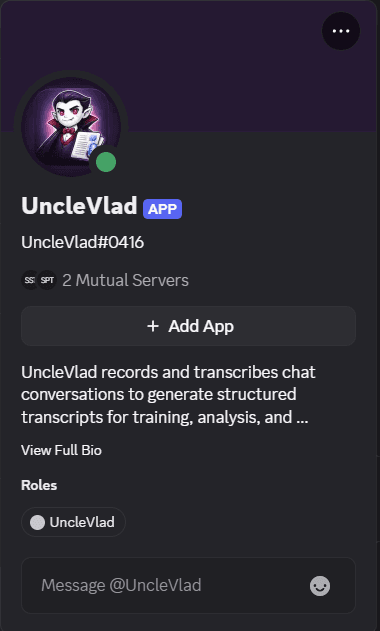
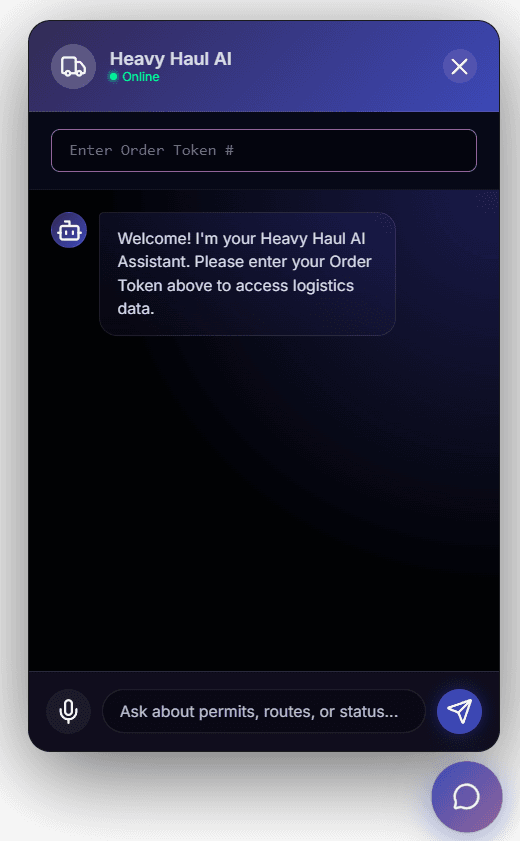
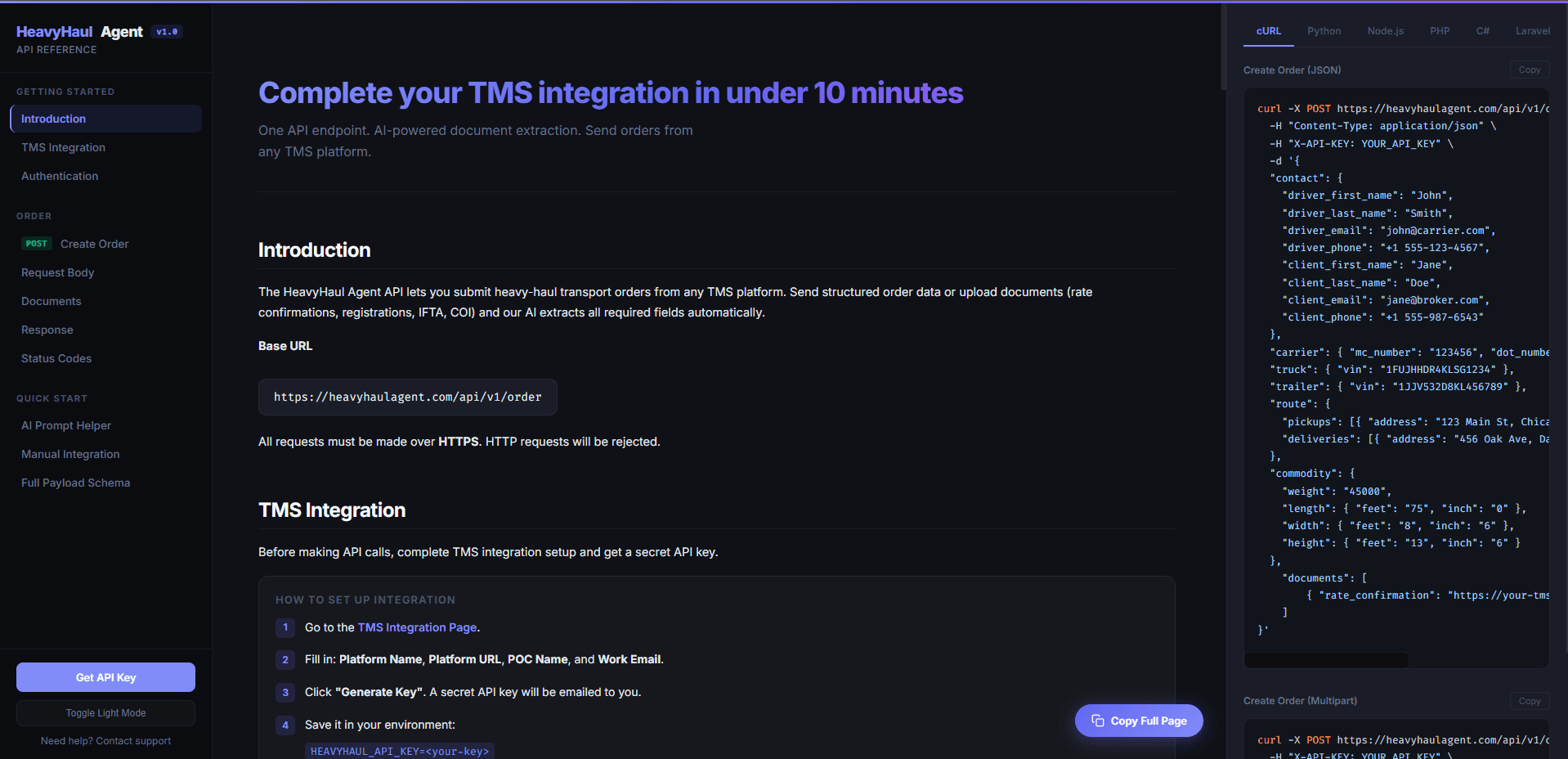
During my internship with a U.S. heavy-haul transportation company, I worked on AI systems across that operating web: a front desk email automation pipeline, a TMS integration API, document extraction for multiple credential types, an order information assistant, Discord voice recording and transcript processing, a RAG knowledge system, estimator improvements, and route auto-approval logic. The common lesson was blunt: the model is rarely the hard part. The hard part is context.
That is where Arango's AI Services and graph database capabilities become especially interesting. Arango's Contextual Data Platform brings graph, vector, document, key-value, and search together in one governed foundation. AutoGraph can help generate the domain structure. Deep Search and GraphRAG can retrieve across relationships. Ada can make connected data explorable in natural language. The result is not a smarter chatbot sitting beside operations. It is an AI-ready operating layer that understands how the business actually fits together.